Contact us
 Visit CPRE.org
 Donate
Summer Round Up
As summer comes to a close, it is an opportunity to reflect on both the value of our countryside and the challenges it continues to face.
Across South Yorkshire and the Peak District, the countryside is one of our most valuable assets. It produces food, supports wildlife, stores carbon, provides space for recreation and wellbeing, and plays an increasingly important role in tackling climate change. It is also a living, working landscape that supports farming businesses, rural communities and local economies.
Yet this summer has highlighted a growing number of pressures, from extreme weather and climate change to development pressures and changing land-use policies.
Throughout it all, CPRE Peak District and South Yorkshire (CPRE PDSY) has continued to stand up for the countryside, scrutinising planning proposals, championing sustainable development, and supporting local communities seeking to protect the places they care about.
A summer of extreme weather
This summer has once again demonstrated how vulnerable our countryside is to a changing climate.
Periods of prolonged heat, dry conditions and higher-than-average temperatures have placed increasing pressure on farmers, wildlife and water resources. Across South Yorkshire and the Peak District, the effects of warmer summers are becoming more noticeable, from stressed habitats and reduced water availability to challenges for food production and livestock welfare.
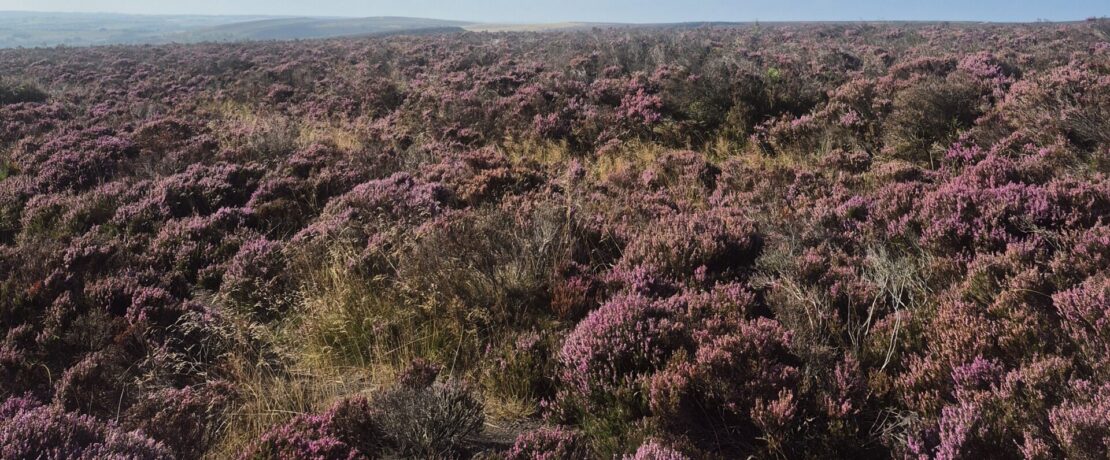
The growing threat of wildfire is one of the most visible challenges associated with climate change. No longer confined to remote rural areas, wildfires are increasingly affecting a range of landscapes and communities, threatening homes, businesses, critical infrastructure and natural habitats. Areas of moorland and peatland, including the Peak District’s internationally important landscapes, are particularly vulnerable during prolonged periods of hot, dry weather. Wildfires can devastate ecosystems, destroy wildlife habitats, damage carbon-storing peatlands, leave long-lasting scars on the landscape and place enormous pressure on emergency services and local communities.
This year provided several stark reminders of the scale of the challenge:
- In July, a major wildfire affecting the Tintwistle Moor, Crowden and Woodhead area of the Peak District led to a major incident being declared, with firefighters, mountain rescue teams, land managers and gamekeepers working together to tackle a blaze that ultimately affected hundreds of hectares of moorland. Roads were closed, specialist equipment and helicopters were deployed, and emergency services remained on site for weeks to manage the risk of further flare-ups.
- In August a significant wildfire burned on moorland near Bradfield, Sheffield, with crews from South Yorkshire Fire and Rescue, local farmers and members of the Peak District Moorland Group working for more than 48 hours to contain the fire during one of the driest summers on record. Residents in nearby communities were advised to keep windows and doors closed because of the volume of smoke.
- Between June and August, South Yorkshire experienced 53 wildfires, as five official heatwaves made it the hottest summer on record.
- The severity of this year’s fires even led to temporary access restrictions across parts of the Peak District National Park, and national campaigns highlighting the dangers of disposable barbecues, campfires and careless behaviour in the countryside.
These incidents highlight the growing challenge of climate change and the urgent need to protect our most precious landscapes.
Planning pressures continue
Alongside environmental challenges, development pressure remains one of the most significant threats facing the countryside. As demand for land increases, proposals for housing, renewable energy schemes and infrastructure projects continue to place pressure on rural areas. While development is necessary in some circumstances, it must be carefully planned and delivered in a way that protects landscapes, biodiversity and local communities.
Throughout the summer, we have continued to monitor, review and challenge planning proposals that could result in:
- Loss of valued countryside
- Damage to biodiversity
- Harm to landscape character
- Loss of productive agricultural land
- Impacts on protected landscapes and rural communities
Some of the issues we have been actively involved in
This summer we have supported members and local communities in responding to a number of significant planning issues, including:
- Ulley Solar Farm
- Marr Solar Farm
- Firsby Lane Solar Farm
- Whitestones Solar Farm
- Peak Cluster and associated infrastructure proposals
- The Sheffield Local Plan
- The Peak District National Park Local Plan
- Development pressures around Conisbrough
- Planning concerns in the Loxley Valley
- Concerns at loss of Green Belt land at Kingston, Barnsley
Renewable energy in the right place
As always, we support the transition to renewable energy and recognise its importance in tackling climate change, however solving one environmental challenge should not create another. We believe developments should be directed towards the most appropriate locations, including brownfield land, previously developed sites and suitable roof space wherever possible.
Proposed developments must be carefully located and designed to avoid unnecessary loss of:
- Productive farmland
- Important habitats
- Landscape character
- Historical sites and landscapes
- Community amenity
- Tranquil countryside
Our role is to ensure that decisions fully consider the long-term impact on people, nature and place.
Farming under pressure
Farmers are at the heart of our countryside, producing food, managing landscapes and supporting nature. But farming businesses are facing growing challenges from climate change, rising costs and ongoing uncertainty.
This summer’s prolonged hot, dry weather has highlighted the increasing pressures on food production and land management. Higher temperatures can place livestock under stress, reduce grazing and increase demand for water, while drought can affect crop yields and soil health. At the same time, extreme weather patterns, with droughts often followed by intense rainfall, are making farming more difficult by increasing the risks of flooding, soil erosion and crop damage.
Across South Yorkshire and the Peak District, farmers are being asked to adapt to these changing conditions while continuing to produce food, support wildlife and care for the land for future generations.
As a result, we continue to keep a close watch on increasing pressures on agricultural land, especially from large-scale development.
Good quality farmland is a finite resource. Once it is lost to inappropriate development, it is rarely returned to food production.
Productive farmland plays a critical role in food security, rural livelihoods and landscape character, and its protection must remain a key consideration in planning decisions.
The future of land use and Green Belt protection
The introduction of England’s First Land Use Framework has prompted an important national debate about how land is allocated and managed to meet a range of competing needs, including food production, housing, renewable energy, climate resilience and nature recovery. At the same time, changes to the National Planning Policy Framework (NPPF), including the introduction of the “Grey Belt” concept, have increased pressure on local authorities to identify land for development in pursuit of housing targets.
While CPRE PDSY recognises the need for new homes, we remain concerned that these policy changes could lead to the piecemeal ad-hoc loss of valuable countryside, productive farmland and Green Belt land if not carefully managed. The Green Belt continues to play a vital role in preventing urban sprawl, preserving countryside close to towns and cities, protecting landscape character, supporting biodiversity and providing opportunities for recreation and access to nature.
As competing demands on land continue to grow, it is essential that planning and land-use policies strike the right balance between development and the long-term protection of the environmental, agricultural and community benefits that these landscapes provide. Maintaining strong Green Belt protections will remain an important part of achieving that balance.
Protecting wildlife and livestock
The summer months bring more visitors into the countryside, and with that comes a reminder of the importance of responsible access.
In March 2026, stronger protections came into force under the Dogs (Protection of Livestock) (Amendment) Act 2025, introducing unlimited fines for offenders and giving police enhanced powers to investigate attacks and seize dogs where there is an ongoing risk to livestock. These changes were widely welcomed by farming and countryside organisations.
However, despite the stronger protections, livestock worrying remains a serious and persistent issue across South Yorkshire and the Peak District. Regional and national media continue to report distressing incidents involving sheep and cattle being chased, injured or killed by out-of-control dogs, highlighting the devastating impact these attacks can have on farmers, livestock and rural communities.
We encourage all countryside users to:
- Follow the Countryside Code
- Keep dogs under close control around livestock
- Respect local signage and guidance
Managing visitor pressures in the National Park
Alongside this, the Peak District has continued to experience growing visitor pressures. Congestion, inappropriate parking and off-road vehicle causes significant damage to landscapes, habitats and rural roads, while placing additional pressures on local communities. As more people seek access to the countryside, there is an increasing need to balance recreation with the protection of the National Park’s natural beauty, tranquillity and wildlife.
Looking ahead
The challenges facing the countryside are unlikely to diminish in the months and years ahead. Climate change, biodiversity loss, increasing development pressures and changing land-use policies are reshaping the landscapes we value.
Yet there are also reasons for optimism. Growing public awareness, stronger engagement with planning issues and increasing recognition of the importance of nature recovery all provide opportunities to create a healthier and more resilient countryside.
We will continue to champion the countryside by:
- Challenging inappropriate planning applications.
- Promoting sustainable development in the right locations.
- Protecting valued landscapes and green spaces.
- Supporting efforts to enhance biodiversity and nature recovery.
- Ensuring the voices of rural communities are heard.
As we move into autumn, our commitment remains unchanged: to protect, promote and enhance the countryside for everyone who lives, works and enjoys it.