


 Contact us
 Visit CPRE.org
 Donate
Planning Updates
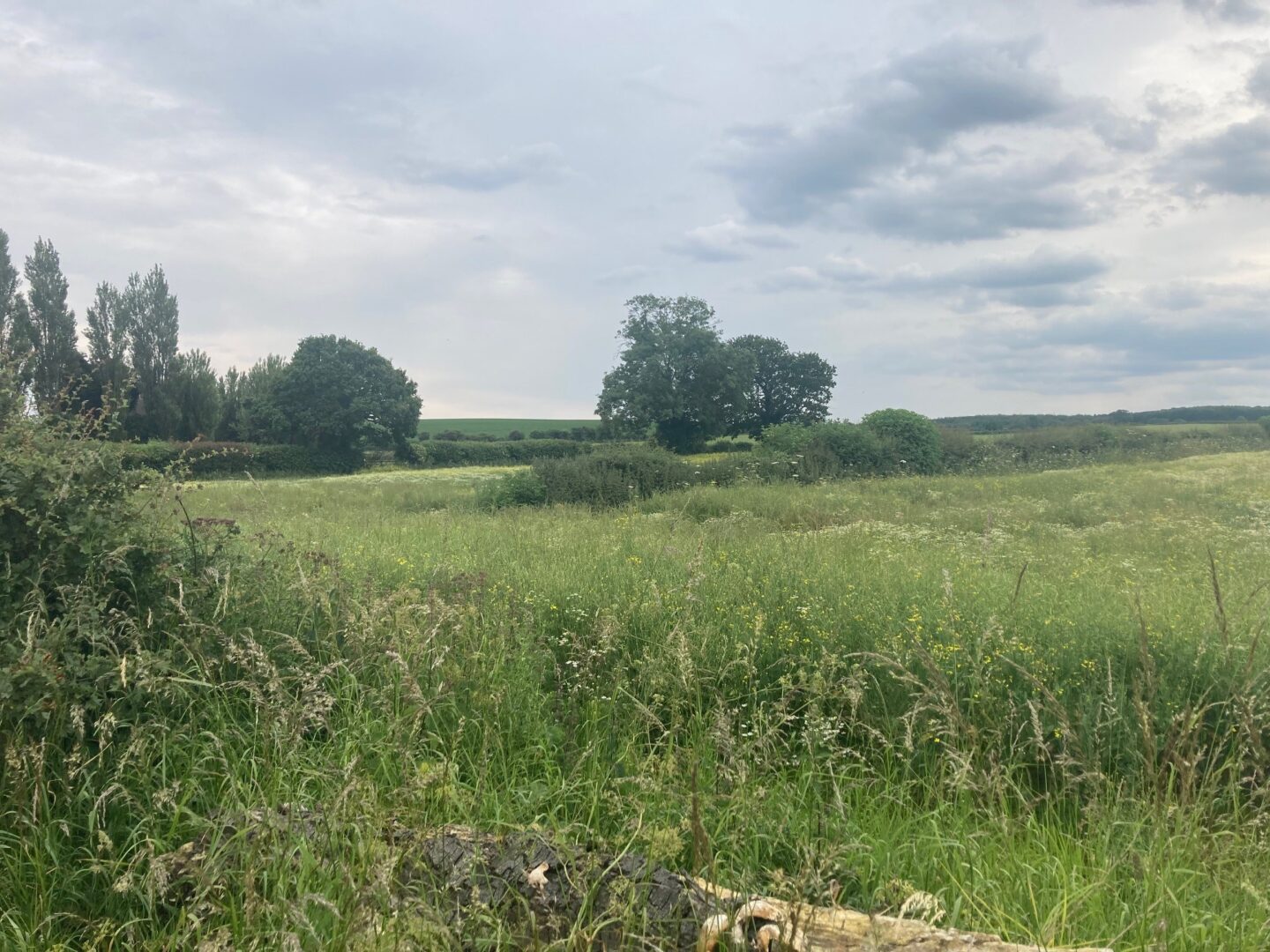
Our Planning Officer, volunteers and trustees keep a careful watch on planning applications and development proposals that could affect the countryside, landscapes and communities of the Peak District and South Yorkshire.
On this page, you’ll find updates on some of the key projects we’re currently involved with, including major planning proposals, local plans and infrastructure schemes. We monitor developments, engage with decision-makers and help ensure that the voices of local communities are heard throughout the planning process.
Peak District Local Plan
The Peak District Local Plan is the planning framework that will guide development across the Peak District National Park up to 2045. It sets out the policies used to determine planning applications and establishes how the National Park will respond to key challenges including climate change, nature recovery, sustainable communities, housing, transport, tourism and economic development. Once adopted, it will replace the current Core Strategy (2011) and Development Management Policies (2019), bringing planning policies together into a single document.
As the planning authority for the National Park, the Peak District National Park Authority is legally required to review and update its Local Plan to ensure it remains effective and reflects changes in national planning policy and local circumstances.
What stage is the project at?
The Local Plan is currently at the pre-submission stage. Following earlier consultations on Issues and Options (2024) and the Preferred Approach (2025), the National Park Authority approved the Draft Local Plan for Regulation 19 consultation in July 2026.
The Regulation 19 consultation, which represents the final opportunity for people to comment on whether the Plan is legally compliant and sound before examination, ran from 27th July to 20th September 2026. The Authority intends to submit the Plan to the Secretary of State later in 2026 for independent examination by a Planning Inspector.
Our involvement
CPRE Peak District and South Yorkshire has been actively involved throughout the Local Plan review process because of the significant implications it will have for the future of the National Park’s landscapes, wildlife, cultural heritage and communities.
We have reviewed consultation documents, analysed supporting evidence and submitted responses on behalf of our members. We have also engaged with local residents, parish councils and community groups, providing guidance on planning issues and helping people understand how they can participate in the process.
In our responses, we have highlighted the importance of ensuring the Plan delivers appropriate housing and supports thriving rural communities while continuing to protect the National Park’s special qualities, landscape character, biodiversity and tranquillity. We will continue to scrutinise the emerging Plan and advocate for policies that conserve and enhance the Peak District for future generations.
Latest update
The latest stage of the Local Plan review was the Regulation 19 Draft Plan consultation, which closed on 20th September 2026. This consultation sought views on the Publication Draft Local Plan 2026-2045, alongside supporting documents including the Sustainability Appraisal, Habitats Regulations Assessment and Policies Map.
The National Park Authority is now reviewing representations received during the consultation ahead of submitting the Plan to the Secretary of State for independent examination. Once submitted, a Planning Inspector will assess whether the Plan is legally compliant and sound before it can be formally adopted.
How you can get involved
Although the Regulation 19 consultation has now closed, there will be further opportunities to engage as the Plan progresses through examination.
We encourage anyone with an interest in the future of the Peak District National Park to stay informed about the next stages of the process. The Local Plan will shape decisions on housing, farming, tourism, transport, climate action, minerals, landscape protection and community facilities across the National Park until 2045.
To keep up to date, review consultation documents and follow progress towards examination, visit the Peak District National Park Authority Local Plan Review website.
Whitestone Solar Development
The Whitestone Solar Farm, is a proposed large-scale solar energy and battery storage scheme proposed across parts of South Yorkshire near Conisbrough, Ulley, Kiveton, Harthill and Woodall.
The development would be spread across three main areas, known as Whitestone 1, Whitestone 2 and Whitestone 3, connected by underground cabling and linked to the National Grid via a new substation at Brinsworth.
Due to its scale, the proposal is classified as a Nationally Significant Infrastructure Project (NSIP) and will be determined by the Government through the Development Consent Order (DCO) process rather than by local planning authorities. Under this process, the application is examined by the Planning Inspectorate, which then makes a recommendation to the Secretary of State, who takes the final decision.
What stage is the project at?
The project has now progressed beyond the pre-application stage. A Development Consent Order application was submitted to the Planning Inspectorate in June 2026 and was subsequently accepted for examination in July 2026. The project is currently in the pre-examination stage, with interested parties having recently been invited to register and submit representations on the proposals.
Prior to submitting the application, the developers carried out a programme of public consultation and engagement. Feedback received during these consultations resulted in a number of changes to the proposals, including reductions to parts of the proposed development area. The examination phase, during which the application will be scrutinised in detail, is expected to begin following the completion of pre-examination procedures.
Our involvement
CPRE Peak District and South Yorkshire has been engaging with communities affected by the Whitestone Solar Farm proposals, helping local people understand the planning process and the potential implications of the scheme for the surrounding countryside.
As part of our work, we have met with community members, listened to local concerns and provided expert guidance on issues affecting the local area, including the countryside, landscape character, agricultural land, biodiversity and cultural heritage.
Now that the application has been submitted, we continue to monitor progress, review emerging information and engage with local communities where appropriate. Our aim is to help ensure that the potential impacts on South Yorkshire’s rural landscapes, heritage assets, wildlife and communities are fully considered throughout the examination process.
Alongside the Whitestone proposal, we continue to monitor smaller solar energy schemes which are being proposed in the area. While these developments may be less significant individually, their combined effect on the landscape, agricultural land, wildlife and rural character can be substantial. We believe these cumulative impacts should be assessed alongside the Whitestone proposal to provide a fuller understanding of how large-scale energy infrastructure could affect the wider countryside.
Latest update
In June 2026, the DCO application was submitted to the Planning Inspectorate and, following an initial review, was formally accepted for examination in July 2026. The project has since moved into the pre-examination stage, during which interested parties have been invited to register and submit their views.
The developers have previously amended the scheme in response to consultation feedback, removing some areas from the original proposals and reducing the overall project footprint. The Planning Inspectorate has now published application documents and representations received from interested parties as preparations continue for the formal examination of the application.
How you can get involved
The Whitestone Solar Farm application is now progressing through the Development Consent Order (DCO) examination process, and there are still opportunities for members of the public to have their views considered.
The Rule 6 Letter and Annexes have now been published, setting out the examination timetable and key dates for participation.
Those wishing to provide comments to the Examining Authority can do so through Procedural Deadline A, which is open until 11:59pm on 27 October 2026. Submissions can be made using the Planning Inspectorate’s Have Your Say form.
There is also an opportunity to take part directly in the examination process. Anyone wishing to attend or speak at the Preliminary Meeting or hearings taking place between 10th and 12th November 2026 must register in advance using the registration form provided by the Planning Inspectorate.
Participating in the examination is an important way for local residents, community groups and other interested parties to ensure that local knowledge, concerns and evidence are taken into account before a recommendation is made on the application.
To stay informed, keep an eye on the Planning Inspectorate’s project page, where examination documents, deadlines and future opportunities to participate are published as the process progresses.
Sheffield Local Plan
The Sheffield Local Plan is the city’s long-term planning framework, setting out how Sheffield will grow and develop up to 2039. It identifies where new homes, employment land, infrastructure, community facilities and green spaces should be located, while guiding decisions on future planning applications across the city.
Once adopted, it will replace elements of Sheffield’s existing planning policies and become the primary document for managing development in the city.
The Plan has been under examination by government-appointed Planning Inspectors since it was submitted in 2023. As part of that process, the Plan has been subject to a number of consultations, evidence reviews and public hearings to assess whether it is legally compliant and sound.
What stage is the project at
The Sheffield Local Plan is currently at an advanced stage of examination. Following earlier hearings and consultations, the Planning Inspectors concluded that the Plan could be found sound subject to a number of changes, known as Main Modifications. A consultation on these modifications took place between March and May 2026.
Examination has now moved to a further consultation stage. The Inspectors have requested a limited number of additional changes, known as Further Main Modifications, which they consider necessary to ensure the Plan is both sound and legally compliant.
Our involvement
CPRE Peak District and South Yorkshire has been actively involved in the Sheffield Local Plan examination due to its implications for the countryside, Green Belt and local communities. A key concern has been the proposed release of around 3.6% of Sheffield’s Green Belt for housing and employment development.
Throughout the process, we have reviewed consultation documents, submitted representations to the Planning Inspectors, and attended examination hearings on behalf of our members. We have also worked with local residents and community groups, providing guidance on planning issues and helping people engage with the process.
In our responses, we have raised concerns about the loss of Green Belt land and countryside, while highlighting the importance of directing development to suitable previously developed land wherever possible. As the examination continues, we will keep scrutinising proposed changes and advocating for policies that protect Sheffield’s landscapes, Green Belt and natural environment.
Latest update
On 14th September 2026, consultation commenced on a series of Further Main Modifications requested by the Planning Inspectors. These changes include updates to reflect recent national planning policy and legislation, refinements to a number of site allocations, and amendments relating to biodiversity, green and blue infrastructure, affordable housing and flood risk.
Alongside the proposed modifications, updated environmental assessment documents and supporting evidence have also been published to assist consultees in understanding the implications of the changes. The consultation will inform the Inspectors’ final consideration of the Plan before they issue their report.
How you can get involved
Sheffield City Council is currently consulting on these proposed changes, with representations invited until 5pm on 26th October 2026. The Sheffield Plan will guide how and where development takes place across the city up to 2039, including housing, employment land, infrastructure and green spaces.
During the consultation period, comments can be submitted on:
- The Schedule of Proposed Further Main Modifications to the Sheffield Plan
- Consequential changes to the Policies Map arising from the Further Main Modifications
- The Integrated Impact Assessment, including the Sustainability Appraisal updates
- The Habitats Regulations Assessment and Appropriate Assessment Review
We encourage anyone with an interest in the future of Sheffield’s countryside, Green Belt and development strategy to review the proposed changes and take part in the consultation.
To stay informed and review the latest consultation documents, visit the Sheffield Plan Examination website and the Have Your Say Sheffield consultation portal. These websites provide access to examination documents, supporting evidence and updates on the next stages of the process.
Peak Cluster
The Peak Cluster is a proposed carbon capture, transport and storage project developed in collaboration with cement and lime manufacturers – including those in Derbyshire and Staffordshire.
The pipeline would capture carbon dioxide (CO₂) emissions from Hope Cement Works near Castleton, Tunstead Quarry and Cement Works near Buxton, and Cauldon Cement Works in Staffordshire, before transporting the CO₂ via a new pipeline network for permanent offshore storage beneath Morecambe Bay.
The scheme is classified as a Nationally Significant Infrastructure Project (NSIP), meaning that it would be considered through the Development Consent Order (DCO) process rather than through the normal local planning system. Under this process, the application is examined by the Planning Inspectorate before a recommendation is made to the Secretary of State, who makes the final decision.
What stage is the project at?
The project remains in the pre-application stage and has not yet been submitted to the Planning Inspectorate for examination. At this stage, the developers are continuing to refine the proposals, undertake environmental assessments and engage with stakeholders before preparing a formal application.
The first phase of public consultation ran from 12th January to 27th February 2026, providing an opportunity for communities, organisations and other stakeholders to comment on the emerging proposals. Following significant public interest, a further period of engagement took place between 31st March and 8th May 2026, allowing additional feedback to be gathered and considered as the project develops.
The developers are now reviewing the responses received and carrying out further work to inform the next stage of the project before a Development Consent Order application is submitted.
Our involvement
CPRE Peak District and South Yorkshire has been actively engaging with the Peak Cluster proposals from the outset, seeking to understand the potential implications for the countryside, landscapes, farmland, biodiversity and communities across the region.
As part of the first phase of consultation, we reviewed the emerging proposals in detail, attended both online and in-person events, and submitted feedback on issues affecting the Peak District and surrounding rural areas. This enabled us to raise questions and highlight concerns about the project’s potential impacts on the landscapes and communities we work to protect.
While the formal Phase One consultation has now concluded, our engagement continues. We remain in regular contact with members, listening to local concerns and gathering views from those who may be affected by the proposals. We are also continuing to seek answers from the developers on a number of important issues and monitoring how the project evolves.
Given the scale and significance of the proposal, we will remain closely involved as further details emerge and future consultation stages take place. Our focus is on ensuring that the protection of the Peak District’s landscapes, productive farmland, wildlife, tranquillity and public access is properly considered throughout the planning process.
Latest update
In February 2026, the Planning Inspectorate issued its Environmental Impact Assessment (EIA) Scoping Opinion, setting out the environmental topics that should be assessed as the project develops. The developers are continuing technical, environmental and design work ahead of preparing a Development Consent Order (DCO) application, which is currently anticipated in 2027.
Since the initial consultation phases were completed, the developers have been reviewing feedback from communities, organisations and stakeholders. As a result, amendments have been made to parts of the proposed project boundary and route corridor, with further design refinement expected as the project progresses.
How you can get involved
A key feature of the Development Consent Order (DCO) process is that much of the opportunity for public involvement takes place before an application is formally submitted. Once an application has been submitted, there is generally less scope to influence the design and development of the proposal. This makes it especially important that communities have access to clear information at an early stage and take part in consultation opportunities as the project progresses.
Further consultation is planned in the coming months. In November, the developers will seek views on proposed pipeline infrastructure in Staffordshire, Derbyshire and Cheshire, including above-ground installations, block valve stations, temporary construction compounds and access arrangements. A separate consultation is scheduled for January, focusing on equivalent infrastructure proposals on the Wirral.
These upcoming consultations will provide additional opportunities for communities, landowners and other stakeholders to understand the proposals in more detail and help shape the project before a Development Consent Order application is submitted.
To stay informed, visit the consultation hub or sign up for project updates to receive the latest news on the project, upcoming consultations and opportunities to get involved.
North East Derbyshire Local Plan 2024-2044
The North East Derbyshire Local Plan 2024-2044 will guide where new homes, employment land, infrastructure and community facilities are delivered across the district over the next 20 years. It also contains policies aimed at protecting the countryside, Green Belt, heritage assets, biodiversity and local character. Once adopted, it will become the primary document used to determine planning applications across the district.
What stage is it at?
The plan is currently at the Publication Draft (Regulation 19) stage, which is the final formal consultation before submission to the Government for independent examination by a Planning Inspector.
Green Belt and development concerns
One of the most significant issues arising from the draft plan is the proposed approach to development within and around the North East Derbyshire Green Belt. The council has undertaken a Green Belt Review and considered the concept of Grey Belt land when identifying potential sites for development. The plan argues that exceptional circumstances justify certain Green Belt boundary changes to help meet future housing and employment needs.
For many communities, this raises concerns about:
- Additional development pressure on villages and rural settlements.
- The cumulative impact of housing allocations on local infrastructure, roads, schools and healthcare services.
- The potential erosion of the openness of the countryside and separation between settlements.
- Whether sufficient safeguards are in place to ensure that Green Belt releases are genuinely necessary and accompanied by appropriate infrastructure.
The draft plan includes a specific section on the North East Derbyshire Green Belt, the Green Belt Review process and proposed safeguarded land, highlighting the importance of these issues to the overall strategy for growth.
Latest update
The Publication Draft Local Plan has now been published for consultation. The document sets out proposed housing allocations, strategic growth locations, employment sites and planning policies that will shape the district until 2044. It also includes policies relating to climate change, renewable energy, landscape protection, biodiversity, heritage and infrastructure delivery.
How can people get involved?
Residents, community groups and organisations can review the Publication Draft Local Plan and submit representations during the Regulation 19 consultation period. The consultation is open until 18th November 2026, after which the council intends to submit the plan for examination. As such, this is the final opportunity to comment before the plan is submitted for independent examination. Comments can be made through the council’s consultation portal, and updates on the plan’s progress will continue to be published by the council.
